Food label explainer
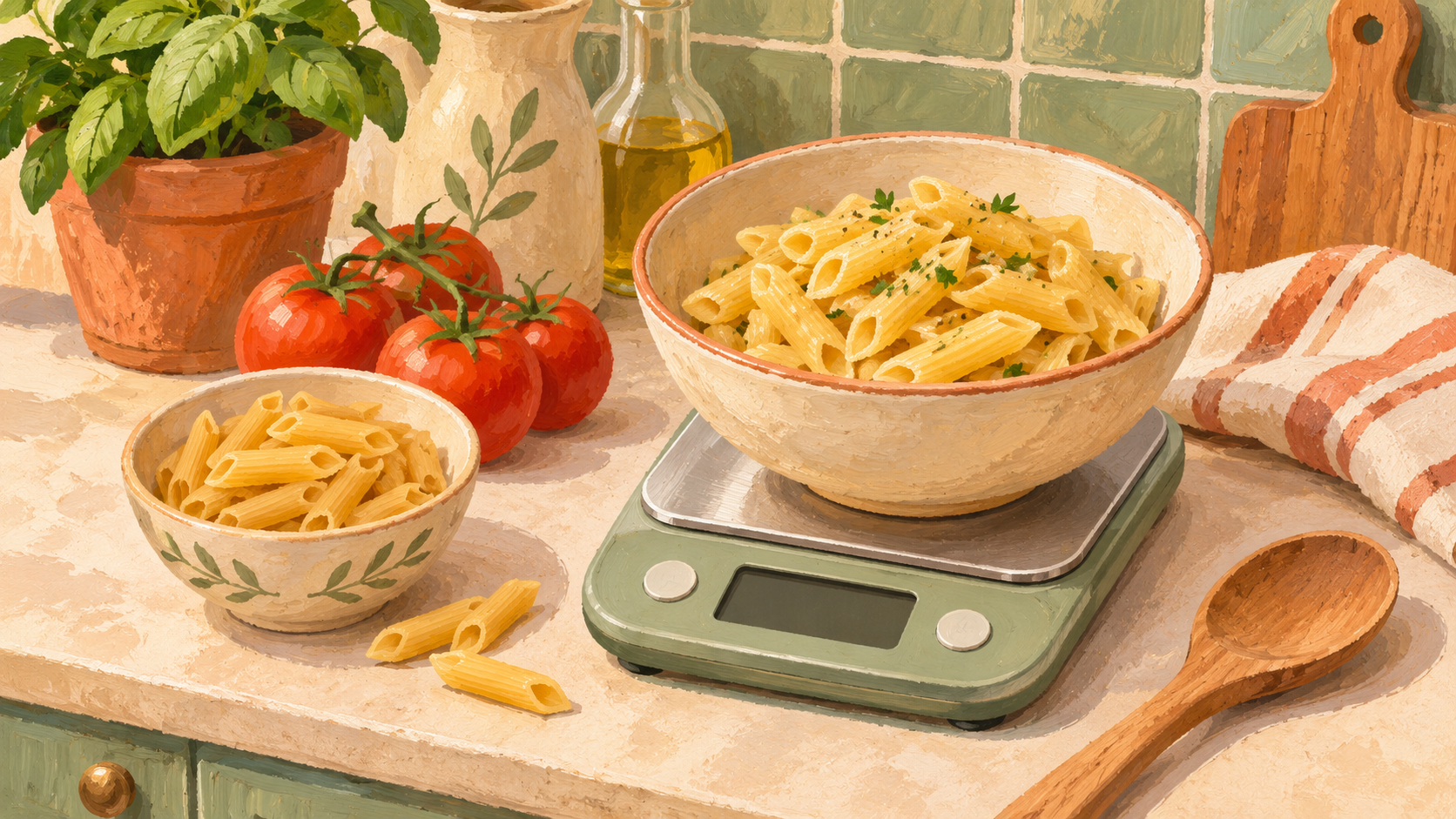
One serving on the label is not necessarily one bowl
A cereal study illustrates why a bowl and a label serving can differ. Learn how to match nutrition figures to what you eat without making the label a target.
Fresh research, useful food ideas, and honest answers about nutrition. Made for real life.
Explore our editorial standards or follow the RSS feed.
A cereal study illustrates why a bowl and a label serving can differ. Learn how to match nutrition figures to what you eat without making the label a target.
An adult trial review found a modest LDL-cholesterol reduction with almonds. Understand the result, the funding and the practical snack decision.
A Swedish youth study shows why a diet label is not a complete nutrition plan. Build satisfying meals and check reliable sources of key nutrients.
Use ordinary foods to plan around exercise. A practical guide to carbohydrate, meal timing and stomach comfort without an elite-athlete protocol.
A practical guide to processed-food labels, useful convenience ingredients and realistic meals, with the limits of the evidence explained.
A corrected research review found no clear strength advantage for bands or conventional weights. Learn the limits and how to choose useful home equipment.
A workplace stair-climbing trial found a modest adherence advantage for short bouts spread through the day. Here is what that means for your routine.
Learn which food date concerns safety, which concerns quality, and how a simple shopping routine can reduce waste without taking chances.
A new football review found higher vitamin D levels without clear gains in sprinting or jumping. Separate everyday nutrition needs from supplement marketing.
A large survey found differences in fruit-eating habits, not proof that juice causes heart disease. Here is how to use the evidence in everyday meals.
Convert sodium to salt, compare equal portions, and understand what a blood-pressure trial can tell you about everyday food choices.
A review found little difference in soreness after post-workout stretching. Separate recovery claims from flexibility goals before planning your cooldown.
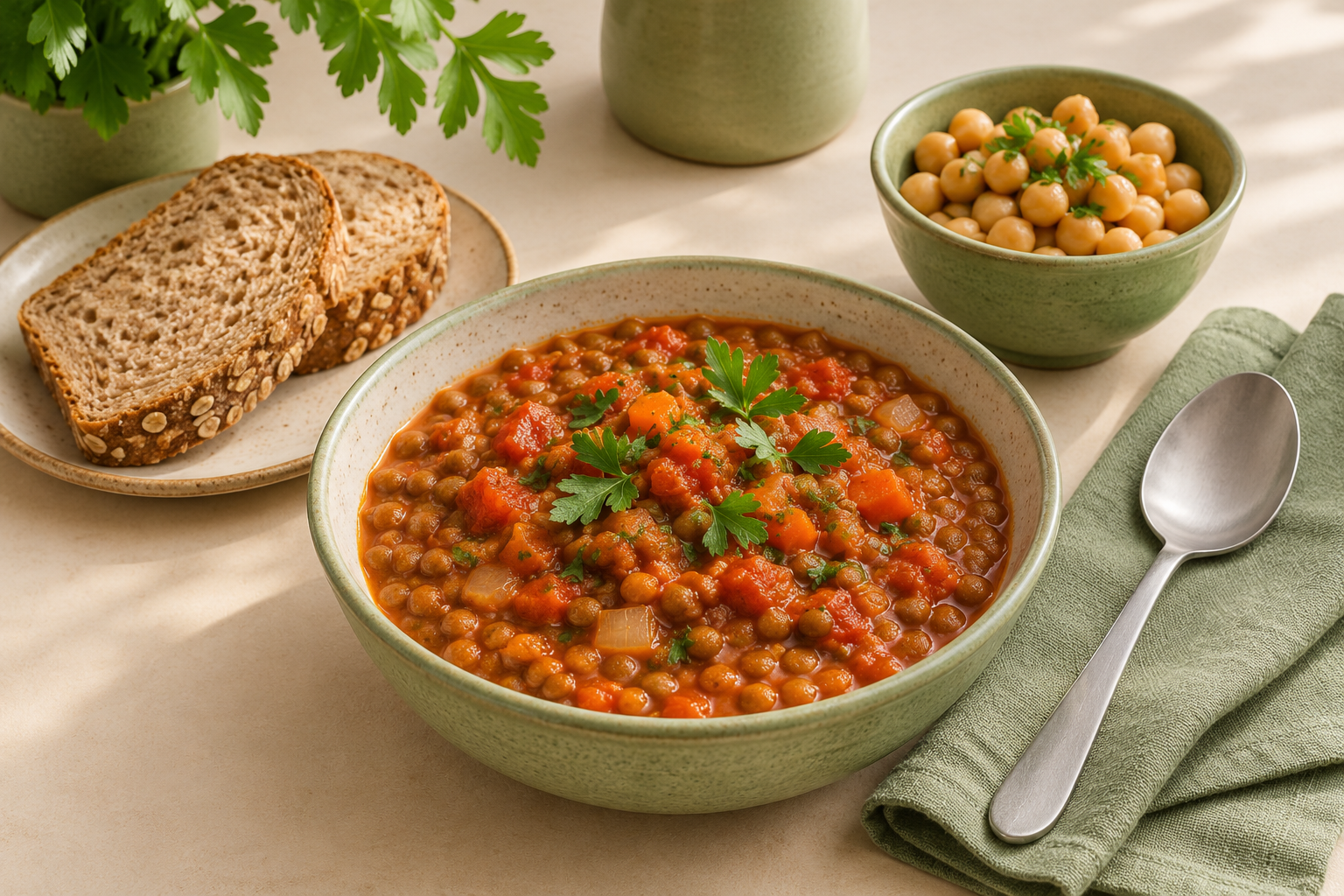
A large US survey linked pulse intake with cardiometabolic health. Here is what the result means, and how to make beans and lentils useful in everyday meals.
A practical breakfast guide for busy mornings, with a clear explanation of what student research can and cannot tell us.
A large study linked replacing butter with plant oils to lower mortality. Understand the model, its limits and a practical way to choose cooking fats.
An evidence-based guide to everyday hydration, sports drinks and what laboratory drink rankings can—and cannot—tell you.
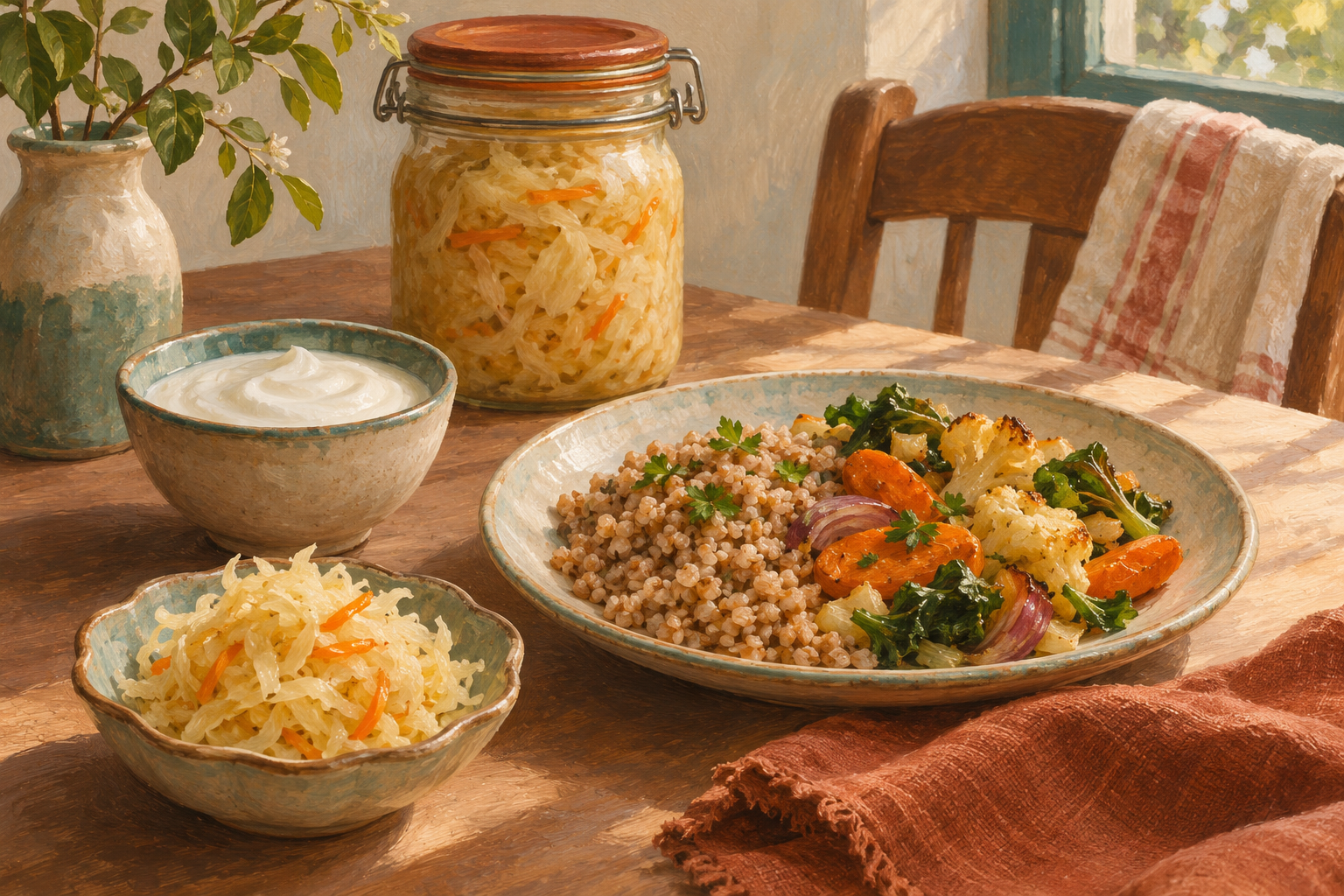
Fermented foods, live cultures and probiotics are different claims. Learn what a small human trial found and how to shop without chasing miracle foods.
A 2026 review separates short-term recovery from long-term training gains. How to decide whether an ice bath deserves a place in your routine.
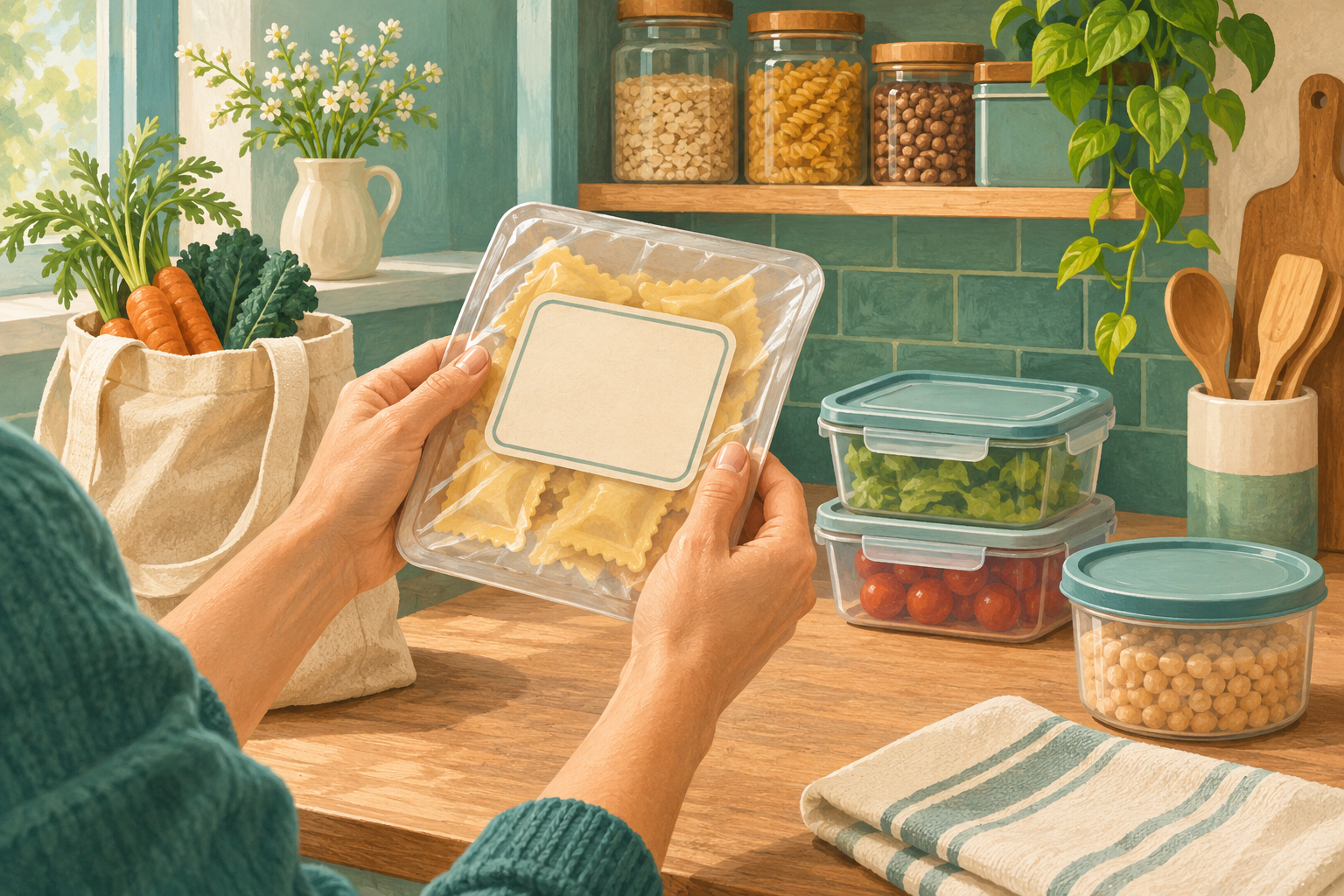
A practical food-safety explainer for rice lunches: cooling, storage, reheating and a simple way to label meals before the week gets busy.
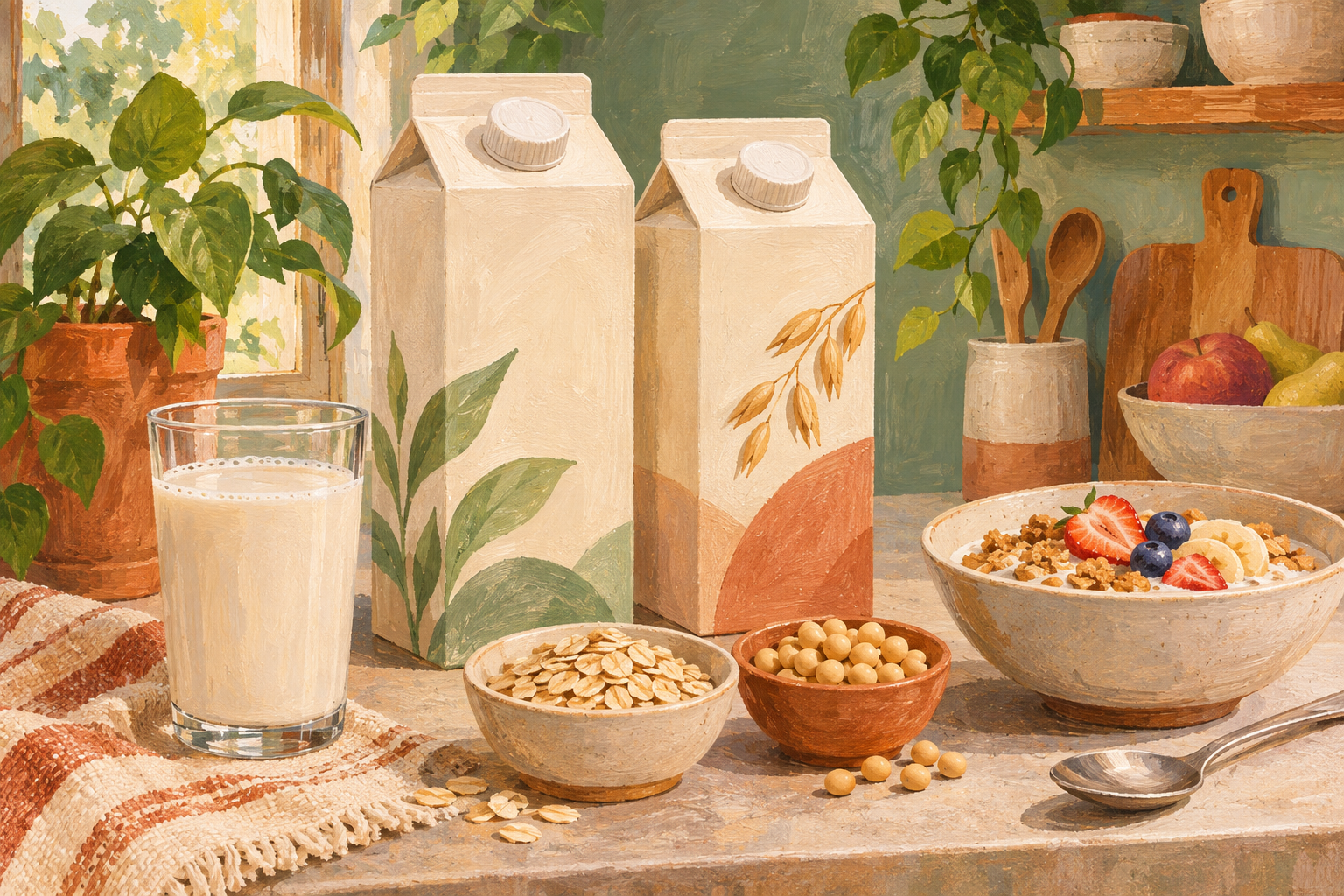
A practical label-checking guide for plant drinks, with a clear explanation of what iodine modelling studies do—and do not—show.
Why cooking changes the weight on your plate, how to match a food diary entry, and a worked example without a universal conversion factor.
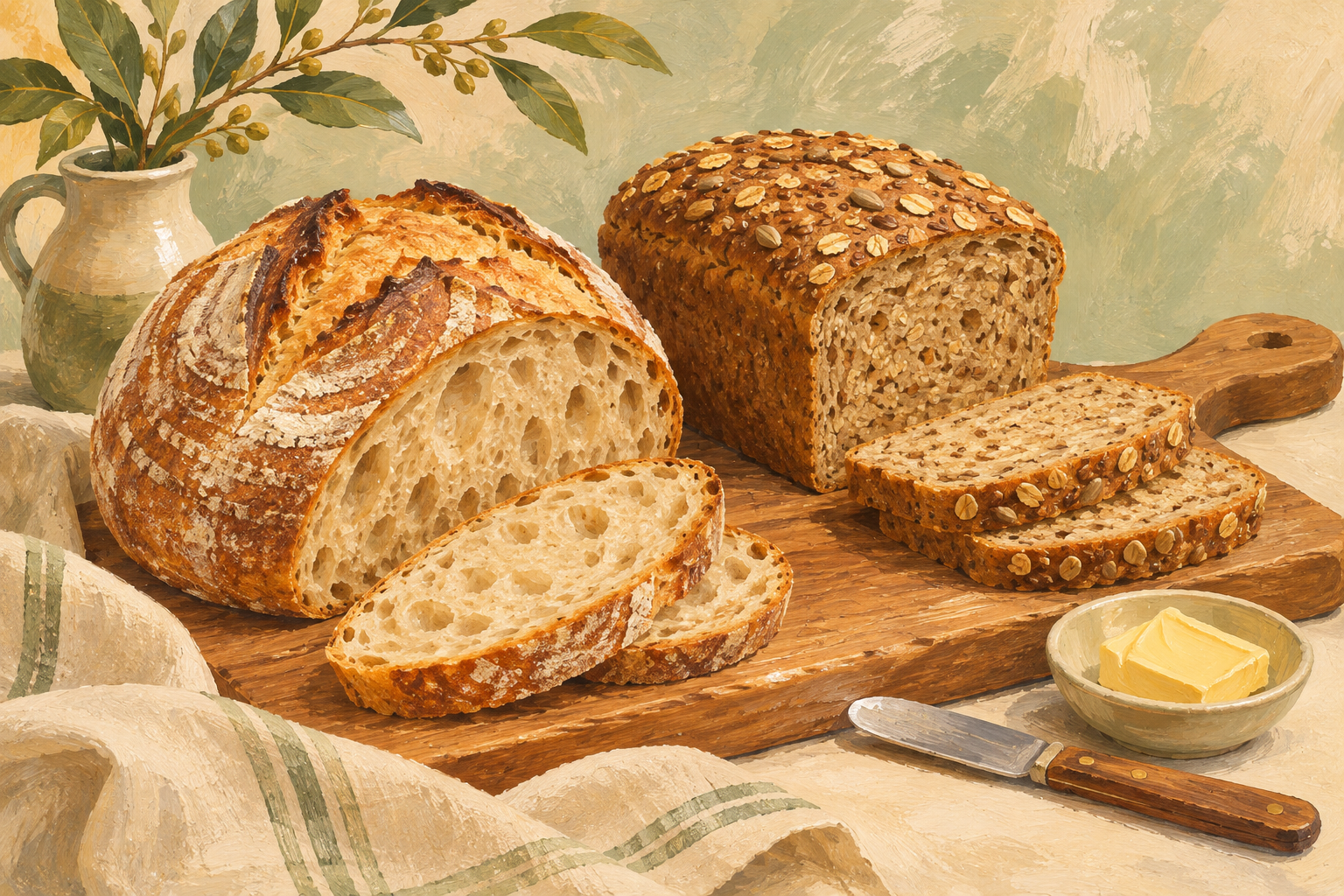
A September 2026 bread trial did not establish an overall digestive benefit. Here is what changed, what remains uncertain and how to choose a loaf.
The 2026 ACSM review says exhausting every set is not required for progress. What that means for a realistic strength-training routine.
A new observational study links irregular sleep with mortality. Understand the finding without treating your bedtime as a health score, then build a realistic routine.
Short activity breaks modestly reduced post-meal glucose responses in laboratory studies. Here is what that means, and how to make movement fit your day.
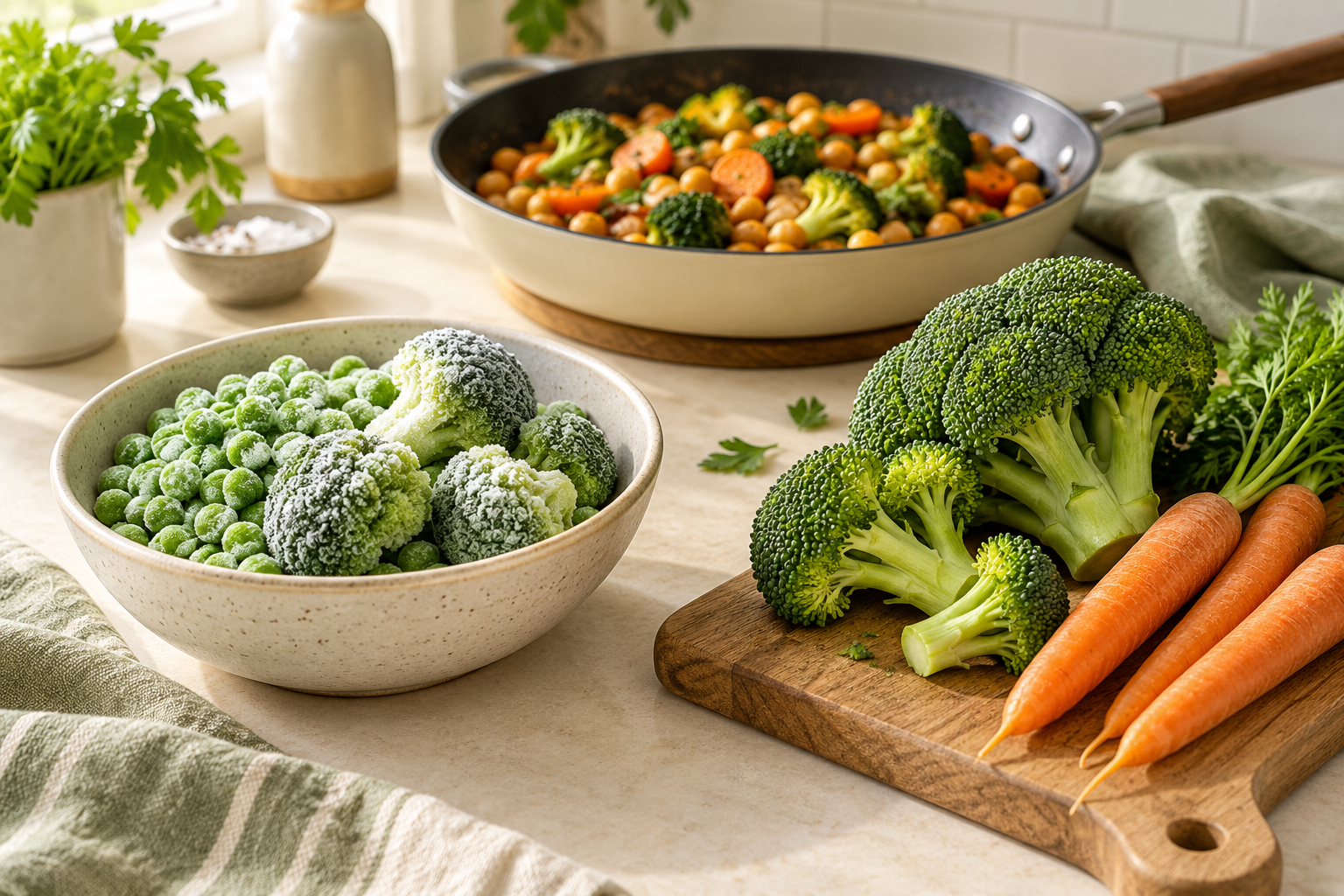
A nutrient study challenges the idea that fresh always beats frozen. Learn what it measured, what it did not, and how to plan practical vegetable choices.
A review of 14 studies found no significant advantage for either routine when training volume was matched. Here is how to choose around your real schedule.
An analysis of 87 trials found modest improvements in heart-health risk markers. Here is what the numbers mean and how to make useful everyday swaps.
Coffee and pre-workout can affect sleep differently depending on dose and timing. What a controlled trial found, plus a practical way to review your routine.
Dietary counselling and whey supplements helped older adults eat more protein. Here is what changed, and what the study cannot tell us about strength.