Beans and lentils: useful meal staples, not a 19% health guarantee
A large US survey linked pulse intake with cardiometabolic health. Here is what the result means, and how to make beans and lentils useful in everyday meals.
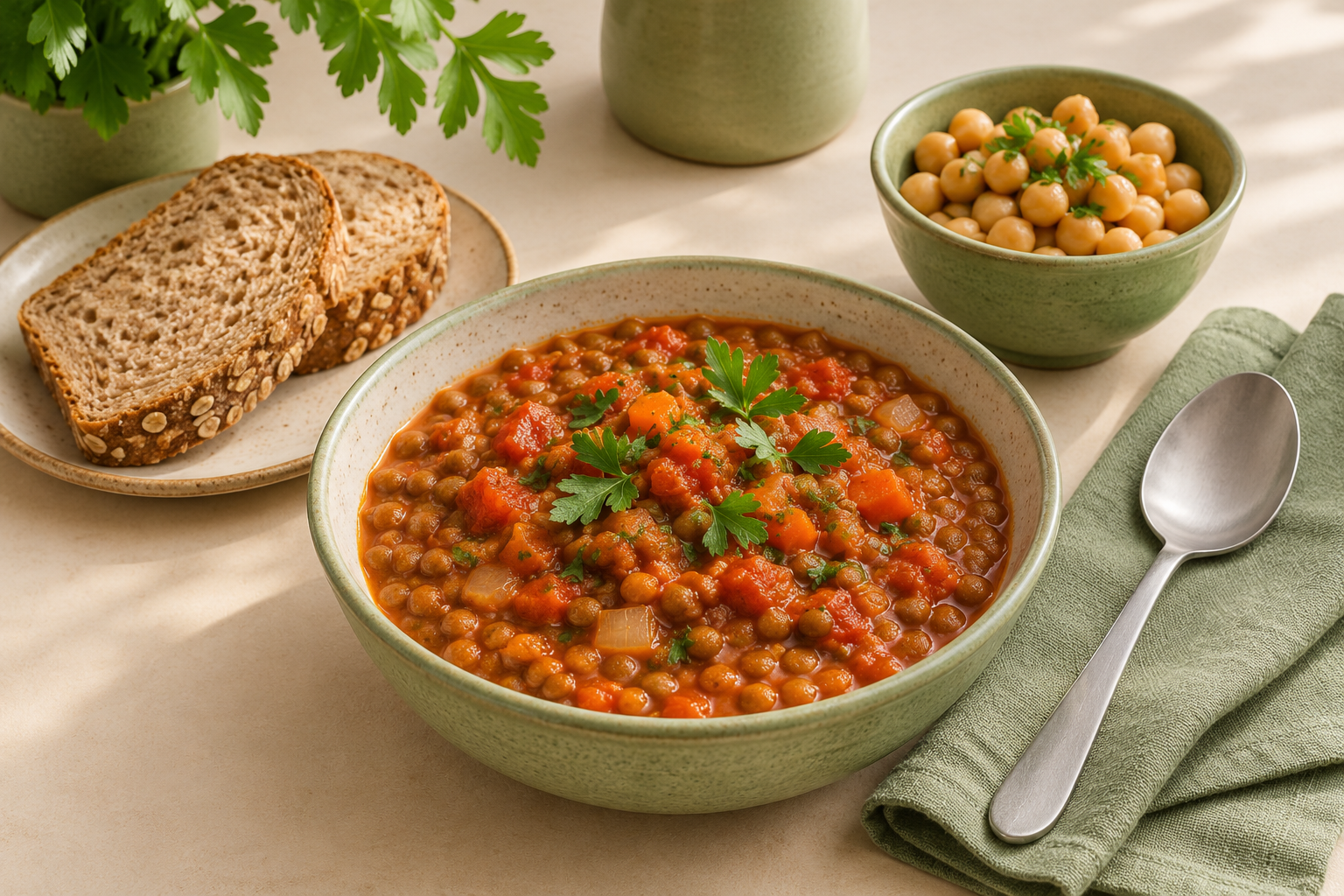
What did the research actually find?
Adults reporting higher pulse intake had lower odds of existing cardiometabolic disease in a US survey analysis. Researchers analysed 46,939 adults in NHANES, 1999–2018. Each additional daily ounce-equivalent of pulses was associated with an odds ratio of 0.81 (95% confidence interval 0.68–0.97) for the combined outcome. That is 19% lower odds, not proof that adding beans reduces your future disease risk by 19%. Read the original paper.
This was a cross-sectional analysis, not a feeding trial. Diet was self-reported; people may have changed what they ate after diagnosis. In the main adjusted analysis, the individual disease subtypes did not show significant associations. October news coverage discusses research published in May 2026, not a newly completed experiment.
Why pulses still belong in the shopping conversation
The NHS identifies pulses as sources of protein, fibre, vitamins and minerals. Beans, chickpeas and lentils can therefore be useful meal ingredients without needing a dramatic disease-prevention promise.
The study received USDA Pulse Crop Health Initiative support; the paper states the funder had no role in the research or publication decision. Some authors also disclosed food-industry research or advisory relationships. These disclosures do not remove the study's design limitations.
Choose a format that fits your cooking time
Before buying, decide when you will use it. Compare the price for the usable amount, preparation time and storage instructions. A large dry bag is only useful if you have a plan to prepare it; a smaller ready-cooked option may fit a busy evening.
- Quick lunch: try ready-cooked chickpeas with vegetables, bread and a dressing you enjoy.
- Pasta dinner: add cooked lentils to a tomato sauce and serve with your usual pasta.
- A shared meal: try beans in a chilli or stew, alongside rice and vegetables.
These are original meal ideas, not the study's intervention or nutritionally equivalent recipes. Follow the package instructions, especially for dried beans; do not assume every type can be prepared the same way.
Make one repeatable meal first
Choose a familiar dish and one pulse you like. Write down the ingredients you need and when you will cook it. After eating, ask whether the flavour, texture and preparation time worked. Change the seasoning or format before buying a whole cupboard of ingredients.
For younger readers, the aim is a satisfying, varied meal—not cutting portions or chasing a body-weight target. If you have a prescribed diet or food allergy, choose within that advice.
Keep the food entry accurate
If you use MacroTracker, select the entry that matches your food: dry lentils, cooked lentils and lentils in a prepared sauce describe different things. Check the serving basis and, for a canned product, whether the information refers to drained food.
For another way to make an everyday meal easier, see our fresh versus frozen vegetables guide. A useful food diary records what you ate; it does not predict your personal disease risk.
Sources
AI-assisted article, checked against the linked sources. No clinical review is claimed. General education, not individual medical advice. Read our editorial standards and correction policy.