Use-by or best-before? A better way to plan your groceries
Learn which food date concerns safety, which concerns quality, and how a simple shopping routine can reduce waste without taking chances.
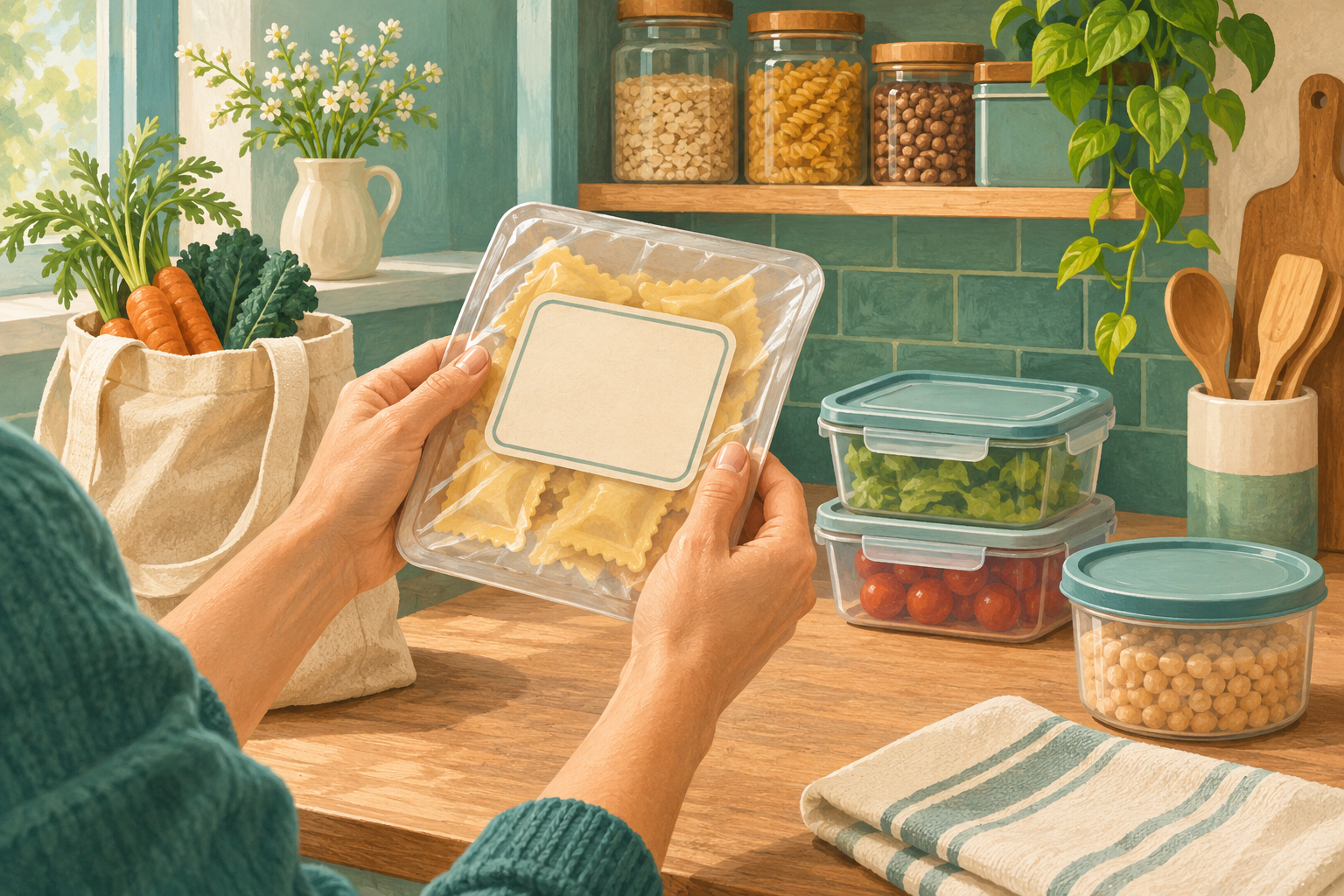
The two dates answer different questions
In UK and EU guidance, a use-by date concerns safety; a best-before date concerns quality. Food should not be eaten after its use-by date, even if it seems fine. Correctly stored food past a best-before date may still be usable, although quality can decline. EFSA explanation.
This is an established-guidance explainer. Date terminology differs internationally, so follow the label and your local food-safety authority if you live elsewhere. The aim is to prevent avoidable waste before food becomes unsafe, not find a workaround afterwards.
Why knowing the definition may not be enough
A 2026 Food Standards Agency evidence report describes qualitative research with 30 people in England, Wales and Northern Ireland. Many could define a use-by date but confused it with best-before in everyday decisions. Cost, waste concerns and reliance on smell influenced their choices. This small interview-and-diary study explains possible habits; it does not establish how common they are across the population. FSA research report.
A useful routine therefore has to work when you are tired, unpacking shopping or trying to assemble dinner quickly.
Check the date before choosing the meal
Before shopping, look at what is already in your fridge. Then give foods with the nearest use-by dates a place in the next meals you genuinely expect to cook. A discounted multipack is only useful if you can use or appropriately freeze it in time.
For example, if plans have changed and you will be out tomorrow evening, decide today whether that chilled ingredient fits tonight's dinner or should be frozen according to its instructions. Do not wait until the date has passed to make the decision.
Storage instructions are part of the label
Food Standards Scotland says date information depends on following storage instructions. Some foods can be frozen up to their use-by date; check the particular product's instructions. Smell is not a safety test for use-by foods because harmful microbes may not produce an obvious warning. Official date-label guidance.
Read the whole label, including instructions after opening, rather than treating the printed date as permission to store food however you like. Marking when you opened a package can make those instructions easier to follow. For cooked rice, our rice-storage guide addresses the separate question of handling leftovers.
Make a small use-first routine
Keep a short list of ingredients that need a plan soon. You might choose one place for that list on the fridge or in your phone. Review it before buying another packet of the same food. The list is an organisational aid, not a replacement for safe storage or the original label.
MacroTracker's food diary can help you review meals you actually made, which may make next week's shopping more realistic. It is not a food-safety checker. A smaller, usable shopping plan often beats an ambitious menu that never reaches the table.
Sources
AI-assisted article, checked against the linked sources. No clinical review is claimed. General education, not individual medical advice. Read our editorial standards and correction policy.